The AR Applications Built for a Hospital Chaplain
A hospital chaplain works with patients across different faith traditions — Christian, interfaith, and those who find comfort in universal spiritual language. His ministry is deeply personal: sitting with people in pain, in fear, in grief, at the edge of what they know.
He wanted to give patients something to hold. Something that carried a prayer, a verse, or a reflection matched to their own faith — and that, when they were ready, could open into something more.
The result was a set of AR spiritual support cards, each one designed for a specific faith context.
What Was Built
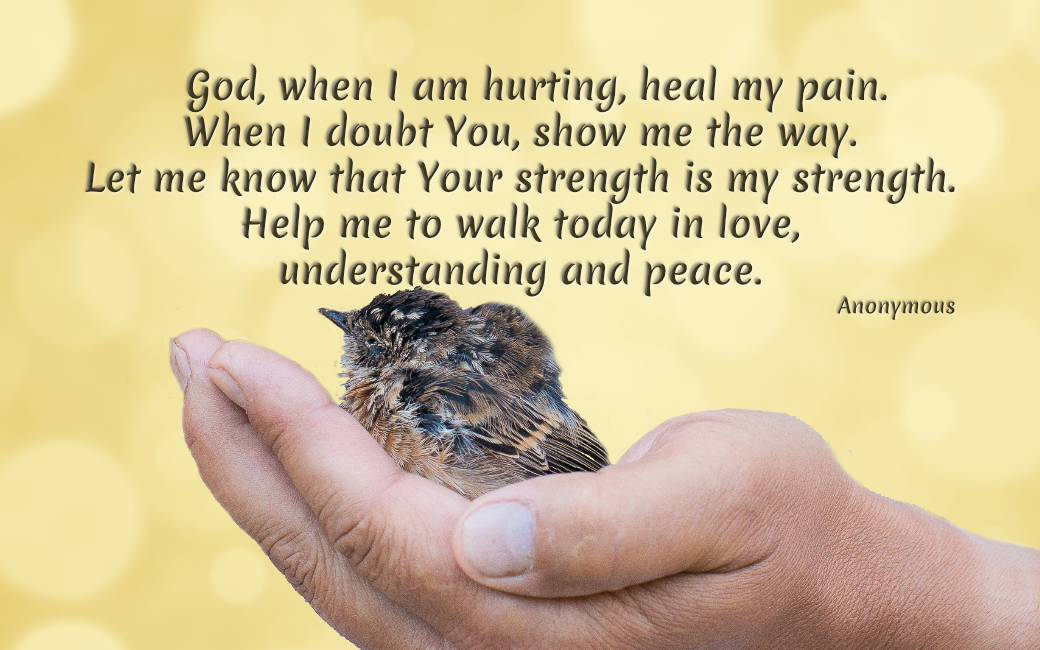
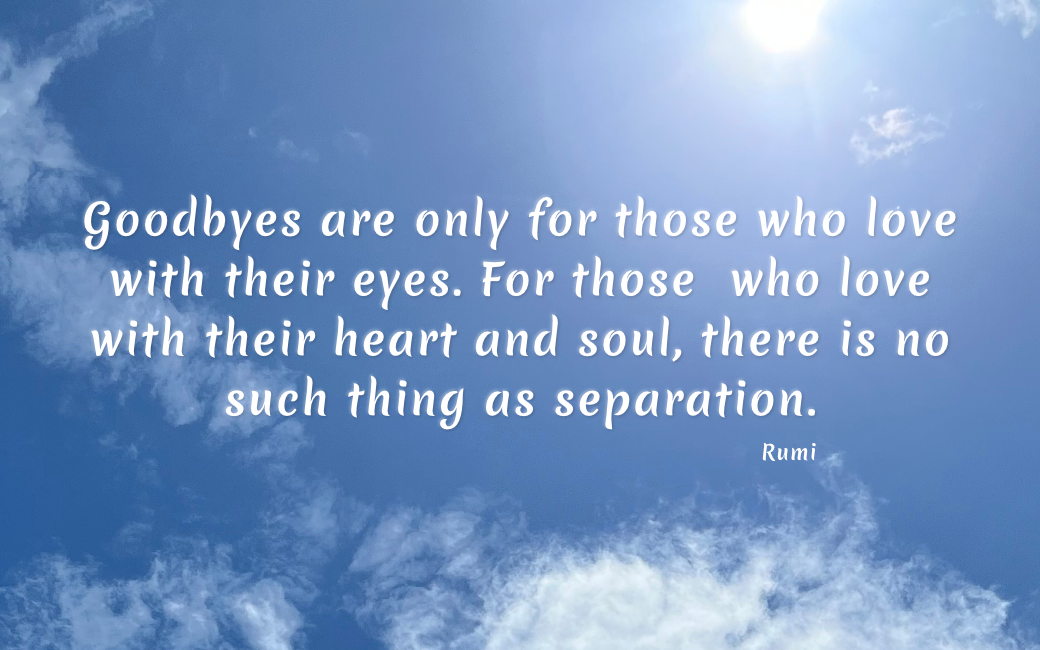
Each card carries a carefully chosen 3D animation and/or text — a Psalm, an anonymous prayer, a verse from Rumi — alongside a peaceful image that holds the mood of the words. A QR code on the card is the threshold: when a patient points their phone at it, the AR experience begins.
No app download. No account. No friction between the patient and the moment.
The cards were designed to be held, not operated. The AR was built to extend the card’s spiritual content — to deepen the same mood, not interrupt it with something demanding or distracting. In a hospital room, that constraint is everything.
The technical build used Unity for the AR layer, deployed on AWS. Multiple card variants were produced for different faith traditions, ensuring the chaplain could offer each patient something that felt personal rather than generic.
What Made This Different
The brief required something that would feel appropriate in a hospital room — quiet, gentle, and secondary to the human presence of the chaplain. Technology that draws attention to itself would have been exactly wrong. The AR had to be invisible until it was wanted, and then quietly present.
Getting that balance right meant understanding the pastoral context before touching any code. The chaplain’s ministry shaped every design decision.
The Outcome
The cards are now part of the chaplain’s ministry toolkit. They travel with him into hospital rooms, offered to patients whose own faith tradition they are designed to meet.
This project sits in the portfolio not because of its technical complexity but because of what it represents: technology built entirely in service of a human moment, shaped by the needs of that moment rather than by what was technically interesting to build.
Other AR Contexts We Have Delivered
The same Unity and AWS stack has been applied across very different contexts:
– A graduation invitation for a bachelor degree college — the card itself became part of the ceremony
– Business cards that come to life with a brand story
– Branded greetings for events and campaigns
The technology is the same. What changes is the question we start with: what does this moment need to feel like?